
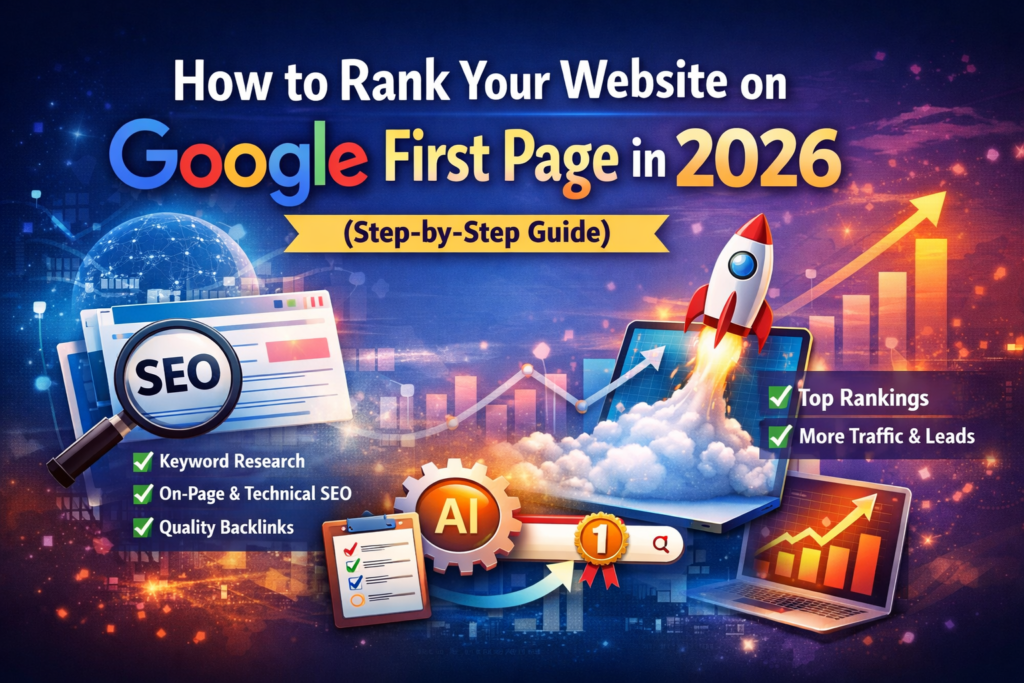
In today’s competitive online world, simply creating a website is not enough. Millions of websites exist on the internet, and businesses need effective SEO strategies to stand out and attract visitors. This is where search engine optimization (SEO) becomes essential.
SEO is the process of improving a website so that it appears higher in search engine results when people search for relevant products or services. When your website ranks on the first page of search engines, it becomes easier for potential customers to find your business.
Understanding SEO and Its Importance
Using the right SEO strategies can increase website traffic, improve brand visibility, and generate more leads for your business. In this article, we will explore some of the most effective SEO strategies that can help your website rank higher on Google.
1. Conduct Proper Keyword Research
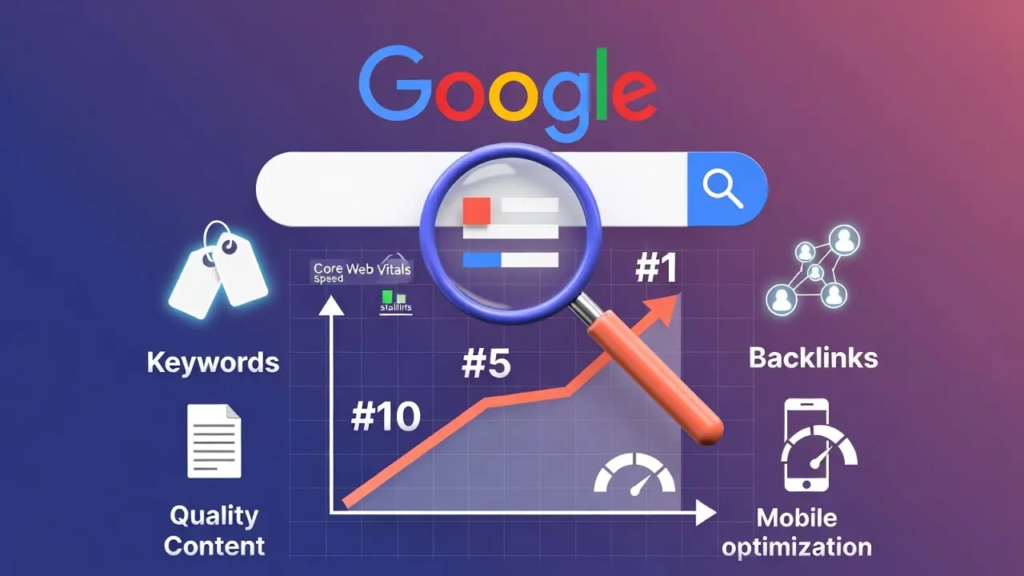
Keyword research is one of the most important steps in SEO. It helps you understand what people are searching for online. Keyword research is the foundation of any successful SEO strategy. It helps businesses understand what their target audience is searching for online. By identifying the right keywords, businesses can create content that answers user queries and matches their search intent.
Finding the Right Keywords is one of the seo strategies
By identifying the right keywords related to your business, you can create content that matches the search intent of users. Tools such as keyword research platforms help businesses discover popular search terms with excellent search volume and low competition.
When you target the right keywords in your content, search engines can better understand your website and show it to users who are searching for similar information. Proper keyword research ensures that your website content aligns with user needs, which ultimately improves your chances of ranking higher in search engines.

2. Create High-Quality Content
Provide Valuable Information
Content plays a major role in SEO success. Search engines prioritize websites that provide valuable and informative content.
High-quality content should answer common questions, provide useful insights, and solve problems for readers. Blog posts, guides, and articles are effective ways to deliver helpful information.
Content is one of the most important elements of SEO. Search engines aim to provide users with the most relevant and useful information. Therefore, websites that consistently publish high-quality content have a better chance of ranking higher.
When visitors find helpful information on your website, they are more likely to stay longer, explore additional pages, and return in the future. This positive user behavior signals to search engines that your website provides valuable content.

3. Optimize On-Page SEO
Improve Titles, Headings, and Meta Descriptions
On-page SEO focuses on optimizing the elements within a webpage to improve search engine rankings. This includes optimizing the page title, headings, meta descriptions, images, and content structure.
Using relevant keywords in the title tag, headings, and throughout the content helps search engines understand the topic of your page. A well-written meta description can also encourage users to click on your website when it appears in search results.
Additionally, using a proper heading structure (H1, H2, and H3) makes your content easier to read and improves the overall user experienc
4. Improve Website Loading Speed
Create a Faster User Experience
Website loading speed plays a crucial role in SEO and user experience. If a website takes too long to load, visitors may leave before the page fully appears. This increases bounce rates and negatively affects search engine rankings.
A fast website improves user satisfaction and encourages visitors to explore more pages. There are several ways to improve website speed, such as optimizing images, minimizing code, using caching techniques, and selecting reliable web hosting.
Search engines prioritize websites that offer a smooth and fast browsing experience, making speed optimization an essential part of SEO strategy.

5. Make Your Website Mobile-Friendly
Optimize for Mobile Users
In recent years, mobile internet usage has increased significantly. Many users browse websites using smartphones and tablets instead of desktop computers. Because of this shift, search engines prioritize websites that are optimized for mobile devices.
A mobile-friendly website automatically adjusts its layout and content to fit different screen sizes. This ensures that users can easily read text, navigate menus, and interact with the website without difficulty.
Providing a seamless mobile experience not only improves user satisfaction but also increases the chances of achieving higher search engine rankings.
6. Build High-Quality Backlinks
Increase Website Authority

Backlinks are one of the most important ranking factors in SEO. A backlink is a link from another website that points to your website. Search engines consider backlinks as signals of trust and credibility.
When reputable websites link to your content, it indicates that your website provides valuable information. This improves your website’s authority and increases its chances of ranking higher in search results.
Businesses can build backlinks by creating valuable content, writing guest posts, collaborating with industry experts, and sharing useful resources.
7. Use Internal Linking
Connect Related Content on Your Website: seo strategies
Internal linking refers to linking one page of your website to another page within the same website. This helps users navigate your website easily and discover additional relevant content.
Internal links also help search engines understand the structure of your website and identify important pages. By connecting related blog posts and service pages, you can keep visitors engaged for longer periods.
A well-planned internal linking strategy improves both SEO performance and user experience.
8. Optimize for Local SEO Strategies
Target Customers in Your Location

Local SEO helps businesses attract customers in their specific geographic location. It is particularly useful for businesses that provide services in a particular city or region.
Optimizing your website for local search involves using location-based keywords, creating business listings, and encouraging customer reviews. A well-optimized local presence helps businesses appear in local search results when customers search for nearby services.
Local SEO can significantly increase visibility and bring more local customers to your business.
9. Improve User Experience
Keep Visitors Engaged on Your Website
User experience is an important factor that influences SEO rankings. Websites that are easy to navigate and provide useful content encourage visitors to stay longer and interact with the site.
A clean design, clear navigation menus, readable text, and well-structured content all contribute to a positive user experience. When users spend more time on your website and visit multiple pages, search engines interpret this as a sign that your website is valuable.
Improving user experience helps build trust with visitors and increases the likelihood of converting them into customers.
10. Monitor SEO Performance
Track and Improve Your SEO Strategies

SEO strategies are an ongoing process that requires continuous monitoring and improvement. Businesses should regularly analyze website performance to understand how their SEO strategies are working.
By monitoring website traffic, keyword rankings, and user behavior, businesses can identify areas that need improvement. This data helps refine strategies and ensure that the website continues to perform well in search results.
Consistent monitoring allows businesses to adapt to changes in search engine algorithms and maintain strong search rankings.
Conclusion
Implementing effective SEO strategies is essential for businesses that want to succeed in the digital world. By focusing on keyword research, high-quality content, on-page optimization, and backlinks, businesses can significantly improve their search engine rankings.
SEO requires patience, consistency, and continuous effort. However, the long-term benefits make it one of the most valuable investments for online growth. A well-optimized website attracts more visitors, generates quality leads, and helps businesses build a strong online presence.