Digital Hub

Digital marketing Tips & trends

google ads vs seo comparison for businesses

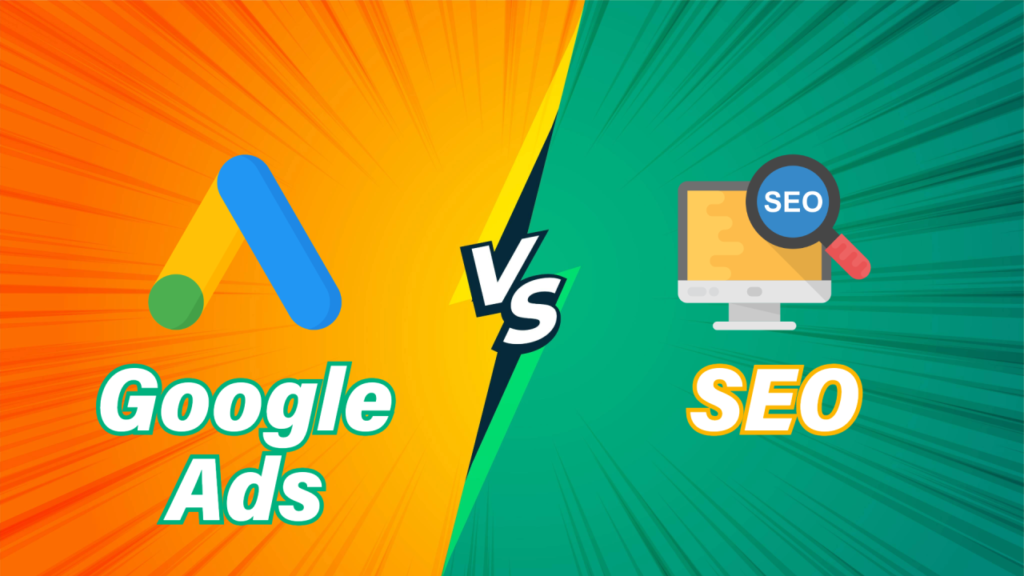
Google Ads vs SEO: Which is Better for Your Business?

In today’s digital world, Google Ads vs. SEO businesses rely heavily on online marketing to reach their target audience. When it comes to driving traffic to a website and generating leads, two of the most popular strategies are search engine optimization (SEO) and Google Ads. Both methods help businesses appear in search engine results, but they work in very different ways. Many business owners often wonder which strategy Google Ads vs SEO is better for their company. Should they invest in SEO for long-term organic growth, or should they run Google Ads campaigns to get instant traffic and quick results? The answer depends on several factors, such as business goals, budgets, competition, and marketing timelines. Understanding the difference between SEO and Google Ads can help businesses make better marketing decisions. In this blog, we will explore how both strategies work, their advantages, and how to choose the right approach for your business. What is SEO? Search Engine Optimization, commonly known as SEO, is the process of improving a website so that it ranks higher in organic search results. Organic results are the listings that appear on search engines naturally without paying for advertisements Understanding Search Engine Optimization SEO involves several techniques such as keyword research, on-page optimization, content creation, link building, and improving website performance. When these elements are optimized correctly, search engines like Google can better understand your website and show it to users who are searching for related information. The main goal of SEO is to increase organic traffic to a website over time. Although SEO takes time to produce results, it can provide long-term benefits by bringing consistent visitors to your website. What is Google Ads? Google Ads is a paid advertising platform that allows businesses to display ads on Google search results and other websites. When users search for specific keywords, businesses can appear at the top of search results through paid advertisements. Understanding Paid Advertising Google Ads is a paid advertising platform that allows businesses to display ads on Google search results and other websites. When users search for specific keywords, businesses can appear at the top of search results through paid advertisements. With Google Ads, businesses bid on keywords related to their products or services. When someone clicks on the ad, the business pays a small fee for that click. This model is known as pay-per-click (PPC) advertising. One of the biggest advantages of Google Ads is that it provides immediate visibility. Unlike SEO, which takes time to build rankings, Google Ads can drive traffic to your website as soon as the campaign is launched. Key Differences Between Google Ads and SEO Organic vs Paid Traffic The biggest difference between SEO and Google Ads is how traffic is generated. SEO focuses on attracting organic traffic through search engine rankings, while Google Ads generates paid traffic through advertisements. With SEO, businesses invest time and effort in optimizing their website to appear in search results naturally. On the other hand, Google Ads allows businesses to pay for ad placements that appear at the top of search results. Both methods can drive valuable traffic to a website, but the approach and investment required for each strategy are different. Benefits of SEO for Businesses SEO provides long-term benefits for businesses. Once a website starts ranking well in search engines, it can continue to attract visitors without paying for every click. This makes SEO a sustainable marketing strategy for businesses looking to build a strong online presence. SEO also helps build trust and credibility. Many users prefer clicking on organic search results rather than advertisements because they believe these results are more relevant and trustworthy. Long-Term Online Growth Another advantage of SEO is that it improves the overall quality of a website. Optimizing content, improving website speed, and enhancing user experience not only helps search rankings but also makes the website more valuable for visitors. Benefits of Google Ads for Businesses One of the biggest advantages of Google Ads is the ability to generate instant traffic. As soon as a campaign is launched, ads can appear at the top of search results, helping businesses reach potential customers immediately. Instant Visibility and Quick Results Google Ads also provides precise targeting options. Businesses can target users based on location, language, device type, and search behavior. This ensures that ads are shown to the right audience at the right time. Additionally, Google Ads campaigns are highly measurable. Businesses can track clicks, impressions, conversions, and return on investment, allowing them to adjust campaigns for better results. When Should You Choose SEO? Best for Long-Term Marketing Strategy SEO is ideal for businesses that want sustainable growth and long-term online visibility. If your goal is to build a strong brand presence and attract consistent website traffic over time, SEO is an excellent choice. Businesses that regularly publish high-quality content and optimize their website for search engines can gradually improve their rankings and gain more organic traffic. Although SEO requires patience and continuous effort, the long-term results can provide significant benefits for business growth.

Google Ads vs SEO: Which is Better for Your Business? Read More »
How Social Media Marketing Helps Businesses Grow Online

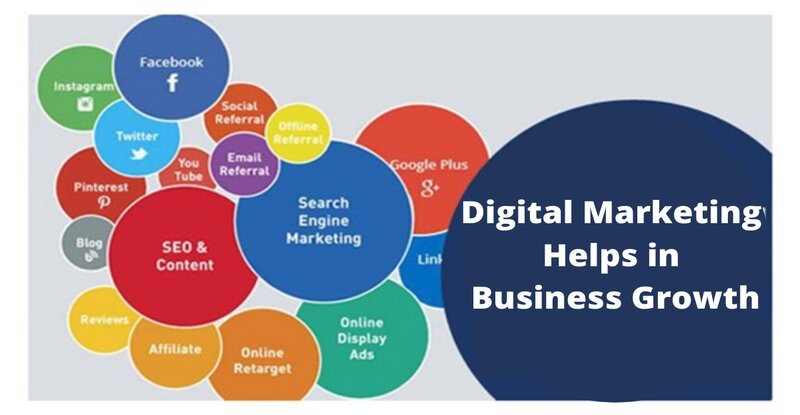
How Social Media Marketing Helps Businesses Grow Online?

In today’s digital era, social media has become an essential platform for businesses to connect with their audience. Millions of people use platforms like Facebook, Instagram, LinkedIn, and Twitter every day to discover new products and services. Because of this massive audience, social media marketing has become one of the most effective ways for businesses to grow online. Social media marketing allows businesses to promote their brand, interact with customers, and build long-term relationships with their audience. Unlike traditional marketing methods, social media platforms provide direct communication with potential customers. This creates opportunities for businesses to increase brand awareness and drive more traffic to their websites. By using the right social media strategies, businesses can reach their target audience, increase engagement, and generate more leads. In this blog, we will explore how social media marketing helps businesses grow and why it has become an essential part of digital marketing. What is Social Media Marketing? Social media marketing is the process of promoting products or services through social media platforms. Businesses create and share content such as posts, images, videos, and advertisements to attract and engage their audience. Understanding Social Media Marketing The goal of social media marketing is to build brand awareness, connect with potential customers, and encourage them to take action. This may include visiting a website, signing up for a service, or purchasing a product. Popular social media platforms used for marketing include Facebook, Instagram, LinkedIn, Twitter, and YouTube. Each platform offers unique opportunities for businesses to reach their audience and promote their brand. Benefits of Social Media Marketing for Businesses One of the biggest advantages of social media marketing is its ability to increase brand visibility. When businesses regularly post engaging content, more people become aware of their brand. Increased Brand Awareness Social media platforms allow businesses to reach a large audience quickly. Even small businesses can gain significant exposure by sharing valuable and interesting content. As more people see your brand online, your business becomes more recognizable and trusted among potential customers. Better Customer Engagement Social media platforms provide businesses with the opportunity to interact directly with their audience. Customers can comment on posts, send messages, and share feedback. Building Relationships with Your Audience This direct communication helps businesses understand customer needs and build stronger relationships. Responding to comments and messages also shows customers that the brand values their opinions. Engaging with your audience regularly helps create a loyal community around your brand. Driving Website Traffic Social media marketing can significantly increase website traffic. By sharing blog posts, product updates, and promotional content, businesses can encourage users to visit their websites. bringing More Visitors to Your Website Adding links to your website in social media posts helps direct users to your services or products. When people find valuable information on your social media pages, they are more likely to explore your website for more details. This increased traffic can lead to more leads and conversions. Cost-Effective Marketing Strategy Affordable Promotion for Businesses Compared to traditional advertising, social media marketing is a cost-effective way to promote a business. Creating and sharing content on social media platforms is often free. Businesses can also run targeted advertising campaigns with a small budget. Social media ads allow businesses to reach specific audiences based on interests, location, and behavior. This makes social media marketing an excellent option for small businesses looking to grow online without spending large amounts on advertising. Targeting the Right Audience Social media platforms offer advanced targeting options that help businesses reach the right audience. Businesses can target users based on demographics, interests, location, and online behavior. Reaching Potential Customers This ensures that marketing efforts are directed toward people who are more likely to be interested in the products or services offered. By targeting the right audience, businesses can improve engagement and increase the chances of generating leads. Building Brand Authority Establishing Trust in Your Industry Consistently sharing valuable content helps businesses position themselves as experts in their industry. Informative posts, tips, and educational content build trust among followers. When people see a brand regularly sharing helpful information, they begin to view it as a reliable source. This increases credibility and encourages potential customers to choose that brand over competitors. Over time, this trust helps businesses build a strong online reputation. Conclusion Social media marketing has become an essential tool for businesses that want to grow online. It helps increase brand awareness, engage with customers, and drive more traffic to websites. By creating valuable content, interacting with followers, and using targeted advertising, businesses can reach a wider audience and generate more leads. For businesses looking to succeed in the digital world, investing in social media marketing is a powerful strategy that can deliver long-term growth and success.

How Social Media Marketing Helps Businesses Grow Online? Read More »

best SEO Strategies to rank your website on Google

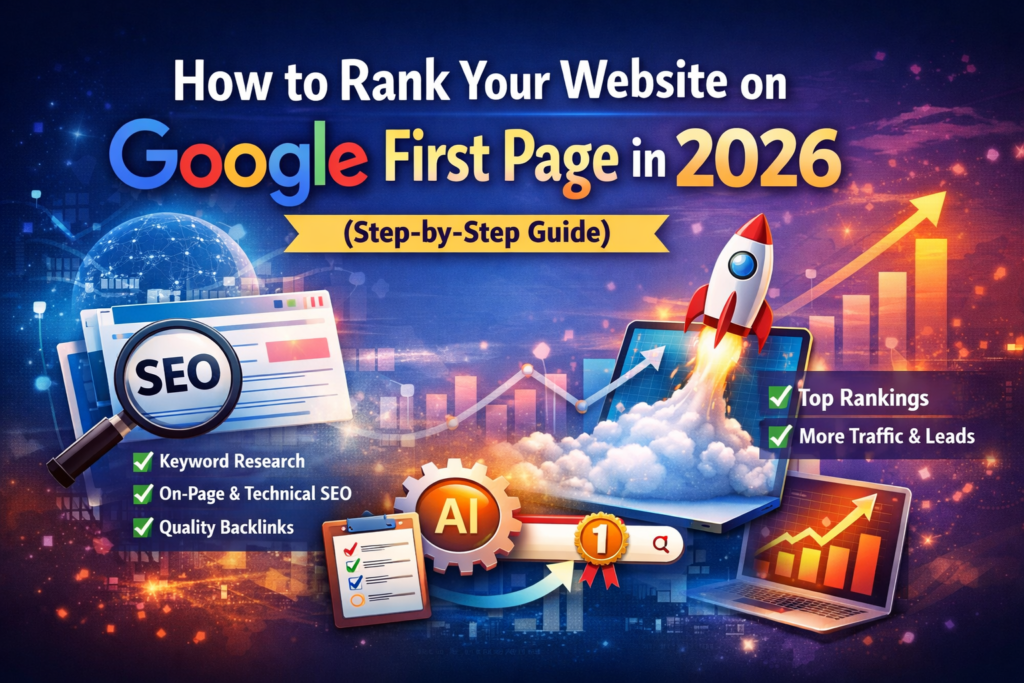
Top 10 SEO Strategies to Rank Your Website on Google

In today’s competitive online world, simply creating a website is not enough. Millions of websites exist on the internet, and businesses need effective SEO strategies to stand out and attract visitors. This is where search engine optimization (SEO) becomes essential. SEO is the process of improving a website so that it appears higher in search engine results when people search for relevant products or services. When your website ranks on the first page of search engines, it becomes easier for potential customers to find your business. Understanding SEO and Its Importance Using the right SEO strategies can increase website traffic, improve brand visibility, and generate more leads for your business. In this article, we will explore some of the most effective SEO strategies that can help your website rank higher on Google. 1. Conduct Proper Keyword Research Keyword research is one of the most important steps in SEO. It helps you understand what people are searching for online. Keyword research is the foundation of any successful SEO strategy. It helps businesses understand what their target audience is searching for online. By identifying the right keywords, businesses can create content that answers user queries and matches their search intent. Finding the Right Keywords is one of the seo strategies By identifying the right keywords related to your business, you can create content that matches the search intent of users. Tools such as keyword research platforms help businesses discover popular search terms with excellent search volume and low competition. When you target the right keywords in your content, search engines can better understand your website and show it to users who are searching for similar information. Proper keyword research ensures that your website content aligns with user needs, which ultimately improves your chances of ranking higher in search engines. 2. Create High-Quality Content Provide Valuable Information Content plays a major role in SEO success. Search engines prioritize websites that provide valuable and informative content. High-quality content should answer common questions, provide useful insights, and solve problems for readers. Blog posts, guides, and articles are effective ways to deliver helpful information. Content is one of the most important elements of SEO. Search engines aim to provide users with the most relevant and useful information. Therefore, websites that consistently publish high-quality content have a better chance of ranking higher. When visitors find helpful information on your website, they are more likely to stay longer, explore additional pages, and return in the future. This positive user behavior signals to search engines that your website provides valuable content. 3. Optimize On-Page SEO Improve Titles, Headings, and Meta Descriptions On-page SEO focuses on optimizing the elements within a webpage to improve search engine rankings. This includes optimizing the page title, headings, meta descriptions, images, and content structure. Using relevant keywords in the title tag, headings, and throughout the content helps search engines understand the topic of your page. A well-written meta description can also encourage users to click on your website when it appears in search results. Additionally, using a proper heading structure (H1, H2, and H3) makes your content easier to read and improves the overall user experienc 4. Improve Website Loading Speed Create a Faster User Experience Website loading speed plays a crucial role in SEO and user experience. If a website takes too long to load, visitors may leave before the page fully appears. This increases bounce rates and negatively affects search engine rankings. A fast website improves user satisfaction and encourages visitors to explore more pages. There are several ways to improve website speed, such as optimizing images, minimizing code, using caching techniques, and selecting reliable web hosting. Search engines prioritize websites that offer a smooth and fast browsing experience, making speed optimization an essential part of SEO strategy. 5. Make Your Website Mobile-Friendly Optimize for Mobile Users In recent years, mobile internet usage has increased significantly. Many users browse websites using smartphones and tablets instead of desktop computers. Because of this shift, search engines prioritize websites that are optimized for mobile devices. A mobile-friendly website automatically adjusts its layout and content to fit different screen sizes. This ensures that users can easily read text, navigate menus, and interact with the website without difficulty. Providing a seamless mobile experience not only improves user satisfaction but also increases the chances of achieving higher search engine rankings. 6. Build High-Quality Backlinks Increase Website Authority Backlinks are one of the most important ranking factors in SEO. A backlink is a link from another website that points to your website. Search engines consider backlinks as signals of trust and credibility. When reputable websites link to your content, it indicates that your website provides valuable information. This improves your website’s authority and increases its chances of ranking higher in search results. Businesses can build backlinks by creating valuable content, writing guest posts, collaborating with industry experts, and sharing useful resources. 7. Use Internal Linking Connect Related Content on Your Website: seo strategies Internal linking refers to linking one page of your website to another page within the same website. This helps users navigate your website easily and discover additional relevant content. Internal links also help search engines understand the structure of your website and identify important pages. By connecting related blog posts and service pages, you can keep visitors engaged for longer periods. A well-planned internal linking strategy improves both SEO performance and user experience. 8. Optimize for Local SEO Strategies Target Customers in Your Location Local SEO helps businesses attract customers in their specific geographic location. It is particularly useful for businesses that provide services in a particular city or region. Optimizing your website for local search involves using location-based keywords, creating business listings, and encouraging customer reviews. A well-optimized local presence helps businesses appear in local search results when customers search for nearby services. Local SEO can significantly increase visibility and bring more local customers to your business. 9. Improve User Experience Keep Visitors Engaged on Your Website User experience is an important factor that

Top 10 SEO Strategies to Rank Your Website on Google Read More »

digital marketing for small businesses

Why Digital Marketing is Essential for Small Businesses in 2026

Digital marketing has become one of the most powerful ways for businesses to connect with potential customers. Whether it is a small startup or an established company, marketing helps businesses reach the right audience, promote their products or services, and increase brand awareness. In the modern business world, digital marketing has become one of the most powerful tools for growth. Today, most people search online before buying a product or choosing a service. Whether they are looking for a nearby restaurant, a clothing store, or a digital marketing agency, their first step is usually a search engine. In this article, we will explore why digital marketing is important for small businesses and how it can help them achieve long-term growth. Understanding Digital Marketing Marketing refers to the process of promoting products or services using digital platforms and internet-based technologies. It includes various strategies that help businesses connect with their target audience online. Some of the most common digita; techniques include search engine optimization (SEO), social media marketing, content marketing, email marketing, and paid advertising such as Google Ads. Each of these strategies plays an important role in building brand awareness, generating leads, and increasing sales. By combining multiple marketing methods, businesses can create a strong online presence and reach customers more effectively. Why Digital Marketing is Important for Small Businesses Reaching a Wider Audience One of the biggest advantages of marketing is its ability to reach a large number of people. Traditional marketing methods like newspapers, flyers, or billboards are usually limited to a specific location. However, digital marketing allows businesses to reach potential customers across different cities, regions, and even countries. With the help of search engines and social media platforms, businesses can promote their services to people who are actively looking for similar products online. Cost-Effective Marketing Solution Small businesses often have limited marketing budgets, which makes it difficult to invest in expensive traditional advertising methods. Digital marketing offers a more affordable alternative. For example, social media marketing allows businesses to promote their services organically by posting valuable content and engaging with their audience. Even paid advertising platforms such as Google Ads allow businesses to set their own budgets and target specific audiences. This flexibility helps small businesses maximize their marketing investment while still reaching the right customers. Improved Brand Awareness Brand awareness is an important factor in business growth. When customers recognize and trust a brand, they are more likely to choose that brand over competitors. Digital marketing helps businesses build their brand presence through various online channels. A well-optimized website, active social media profiles, and informative blog content can help businesses establish credibility and attract more customers. As more people interact with your brand online, your business becomes more recognizable and trusted within your industry. Better Customer Engagement Another key advantage of digital marketing is the ability to interact directly with customers. Social media platforms, email campaigns, and website chat features allow businesses to communicate with their audience in real time. This interaction helps businesses understand customer needs, answer questions, and provide better service. Engaging with customers also helps build stronger relationships and increases customer loyalty. Businesses that actively respond to comments, messages, and reviews often create a positive impression and build long-term trust with their audience. Measurable Marketing Results Unlike traditional marketing, digital marketing provides measurable results. Businesses can track the performance of their campaigns using tools such as analytics and reporting platforms. For example, website analytics can show how many people visited your website, which pages they viewed, and how long they stayed. Similarly, advertising platforms provide insights into how many people clicked on your ads and how many conversions were generated. These insights help businesses understand which strategies are working and where improvements can be made. The Future of Digital Marketing As technology continues to evolve, digital marketing is also changing rapidly. New trends such as artificial intelligence, voice search, and personalized marketing are shaping the future of online marketing. Businesses that adapt to these changes and continuously improve their digital marketing strategies will have a greater advantage in the competitive market. Investing in digital marketing today can help businesses stay ahead of competitors and build a strong foundation for long-term growth. Conclusion Digital marketing has become an essential part of modern business growth. It helps small businesses increase their online visibility, reach the right audience, and build strong relationships with customers. By using strategies such as search engine optimization, social media marketing, Google Ads, and content marketing, businesses can create a powerful online presence and generate more leads. For small businesses looking to grow in the digital age, investing in digital marketing is no longer an option—it is a necessity.

Why Digital Marketing is Essential for Small Businesses in 2026 Read More »